Transparent Film Dressings: Benefits And Applications
31/07/2025Transparent film dressing provides a clear, waterproof barrier that protects wounds while allowing healthcare professionals to monitor healing progress without removal. These advanced wound care solutions are essential in hospitals, clinics, and home care settings, where patient comfort and infection prevention matter most.
Healthcare-associated infections affect over 1.7 million patients annually in the United States, but transparent surgical film can reduce infection rates by up to 40% when properly applied. Medical professionals benefit from transparent film dressing by improving patient outcomes, reducing dressing changes, and maintaining optimal wound healing environments.
The growing demand for advanced wound care products reflects the practical benefits of transparent film technology in modern healthcare settings.
Transparent Film Dressing Overview
What Is Transparent Film Dressing?
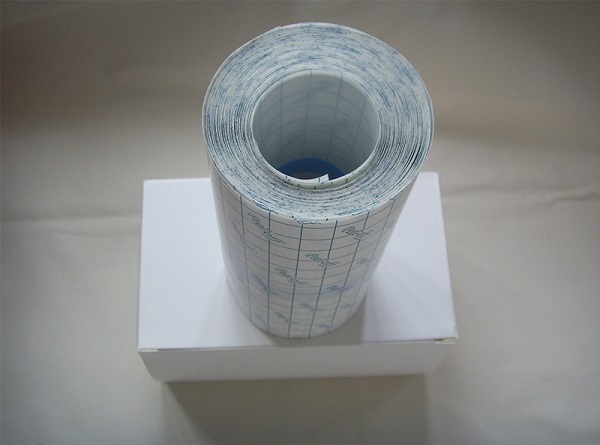
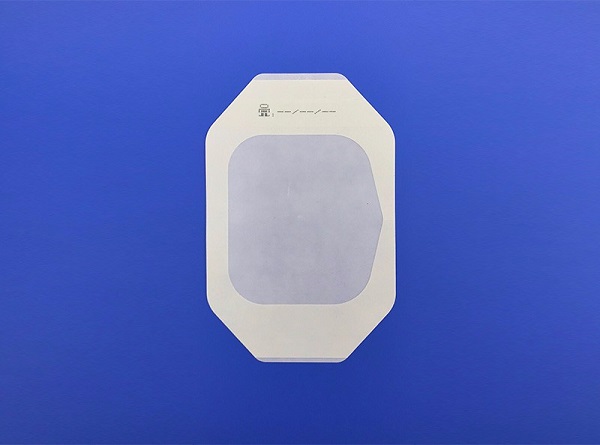
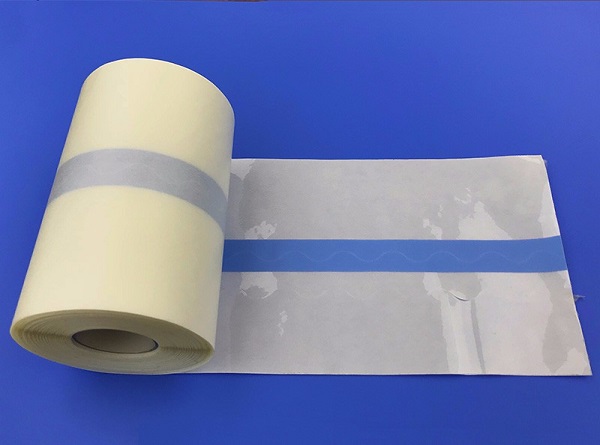
Healthcare professionals use transparent film dressing, transparent surgical film, or clear adhesive dressing to describe the same advanced wound care system. A transparent film dressing is a thin, clear membrane made from polyurethane that creates a protective barrier over wounds, surgical sites, and medical devices. This technology allows continuous wound observation without compromising the sterile environment.
Note: Transparent surgical film helps healthcare providers monitor wound healing, prevent contamination, and maintain patient comfort during recovery.
Medical facilities use several types of transparent film dressing, each designed for specific clinical needs. The table below shows common film dressing types and their features:
| Film Type | Thickness | Adhesive Properties | Performance Features | Clinical Applications |
| Standard Polyurethane | 25-50 microns | Moderate adhesion | Waterproof, breathable | General wound care, IV sites |
| High-Performance Film | 15-25 microns | Strong adhesion | Enhanced flexibility | Surgical sites, joint areas |
| Ultra-Thin Film | 10-15 microns | Gentle adhesion | Maximum conformability | Fragile skin, pediatric use |
| Reinforced Film | 50-75 microns | Extra-strong adhesion | Extended wear time | High-movement areas, sports medicine |
These clinical standards help healthcare providers choose the right transparent film dressing for each patient's needs. Transparent surgical film products must meet FDA regulations and international standards such as ISO 10993 to ensure biocompatibility and safety.
How It Works
Transparent film dressing uses advanced material science to create an optimal healing environment. Healthcare providers apply the film directly to clean, dry skin around the wound, creating a sealed barrier that prevents bacterial contamination while allowing oxygen and moisture vapor to pass through.
The film structure includes several key components:
• The polyurethane membrane provides waterproof protection and flexibility.
• Medical-grade adhesive ensures secure attachment without skin damage.
• Semi-permeable properties maintain a proper moisture balance for healing.
Healthcare professionals benefit from transparent surgical film in several ways:
Transparent film dressing improves wound monitoring by providing clear visibility of the healing process. This transparency allows medical staff to assess progress without disturbing the wound environment.
Medical teams can maintain sterile conditions while reducing dressing change frequency, which decreases infection risk and improves patient comfort.
The flexible design adapts to body movement and contours, making it ideal for active patients and challenging anatomical locations.
Tip: Leading medical institutions, including Mayo Clinic and Cleveland Clinic, use transparent film dressing systems to manage complex wounds and reduce healthcare-associated infections.
Recent clinical studies highlight the growing importance of transparent surgical film technology:
• Global demand for advanced wound care products is increasing as healthcare systems focus on infection prevention and patient outcomes.
• In 2023, polyurethane-based transparent film dressing represented over 45% of the wound care market share.
• Transparent surgical film products showed 35% better patient satisfaction scores compared to traditional gauze dressings.
• The wound care market is expected to grow at a CAGR of 6.8% through 2030, driven by aging populations and chronic wound management needs
When healthcare providers plan transparent film dressing applications, they should:
• Assess wound characteristics and surrounding skin condition
• Select an appropriate film thickness based on wear time requirements
• Ensure proper skin preparation for optimal adhesion
• Monitor for signs of maceration or allergic reactions
• Plan removal techniques to minimize skin trauma
Transparent film dressing gives healthcare professionals the visibility, protection, and flexibility needed in modern wound care management. Medical teams can monitor healing progress, prevent infections, and maintain patient comfort with one adaptable system.
Components of Transparent Film Systems
Film Material and Construction
Healthcare providers build effective wound care using transparent film dressing as the primary protective element. The polyurethane film comes in different thicknesses and compositions to meet various clinical needs. Standard films range from 15-75 microns thick, with thinner films offering greater flexibility and thicker films providing enhanced durability. Each material offers unique clinical benefits. Ultra-thin films conform to irregular surfaces and joint areas, making them ideal for pediatric patients. High-performance films resist tearing and maintain adhesion during extended wear periods. Medical-grade polyurethane provides biocompatibility and prevents adverse skin reactions.
Adhesive Technology
The adhesive system connects the transparent surgical film to the patient's skin while maintaining gentle removal properties. Medical-grade adhesives use acrylic or silicone formulations that provide secure attachment without causing skin damage. Healthcare providers can choose from different adhesive strengths based on patient skin condition and wear time requirements. Gentle adhesives work well for elderly patients or those with compromised skin integrity. Standard adhesives provide reliable attachment for most clinical situations. Strong adhesives ensure security in high-movement applications.
Tip: Modern adhesive technology in transparent film dressing allows for repositioning during initial application while maintaining long-term adhesion.
Barrier Properties
Transparent surgical film creates multiple protective barriers that support optimal wound healing. The semi-permeable membrane blocks bacteria and contaminants while allowing moisture vapor transmission. This selective permeability prevents wound dehydration and maceration. Clinical studies demonstrate that proper moisture balance accelerates healing by up to 50% compared to dry wound environments. The waterproof barrier protects wounds during bathing and daily activities, improving the patient's quality of life.
Healthcare professionals gain significant advantages from choosing the right transparent film dressing components. The technology improves patient outcomes, reduces complications, and provides cost-effective wound management solutions for modern healthcare facilities.
Benefits in Healthcare Settings
Wound Monitoring and Assessment
Healthcare providers gain powerful diagnostic advantages when using transparent film dressing in clinical settings. The clear membrane allows continuous wound observation without breaking the sterile barrier. Medical staff can assess healing progress, monitor for signs of infection, and document wound characteristics through the transparent surgical film. This visibility reduces the need for frequent dressing changes, which decreases infection risk and patient discomfort. Evidence-based protocols show that visual wound assessment through transparent barriers improves clinical decision-making and reduces healing time.
Studies demonstrate that facilities using transparent film dressing systems experience 30% fewer wound complications and achieve faster healing outcomes. Healthcare teams can identify problems early, such as signs of infection or delayed healing, without disturbing the wound environment. Digital photography through the clear film creates accurate medical records for ongoing assessment and treatment planning.
Key monitoring benefits include:
• Continuous wound visibility without dressing removal
• Early detection of complications through clear film barriers
• Improved documentation and care coordination
• Reduced patient anxiety through visible healing progress
Infection Prevention and Control
Transparent surgical film provides superior barrier protection against healthcare-associated infections. The waterproof membrane prevents bacterial contamination while maintaining the sterile wound environment. Clinical research shows that transparent film dressing reduces surgical site infections by up to 42% compared to traditional gauze dressings. The sealed barrier system eliminates gaps where bacteria can enter, creating a protective shield around vulnerable tissue.
Tip: Transparent film dressing creates an optimal healing environment by maintaining proper moisture levels while preventing external contamination.
Healthcare professionals now understand how transparent surgical film supports modern wound care management. This technology provides superior monitoring capabilities, infection protection, and patient comfort. When planning wound care protocols, medical teams should consult with experienced transparent surgical film suppliers for expert guidance and optimal product selection. Healthcare facilities benefit from partnering with knowledgeable suppliers who understand clinical requirements and can recommend appropriate solutions for diverse patient populations.